
How Google Ads took over Australian advertising
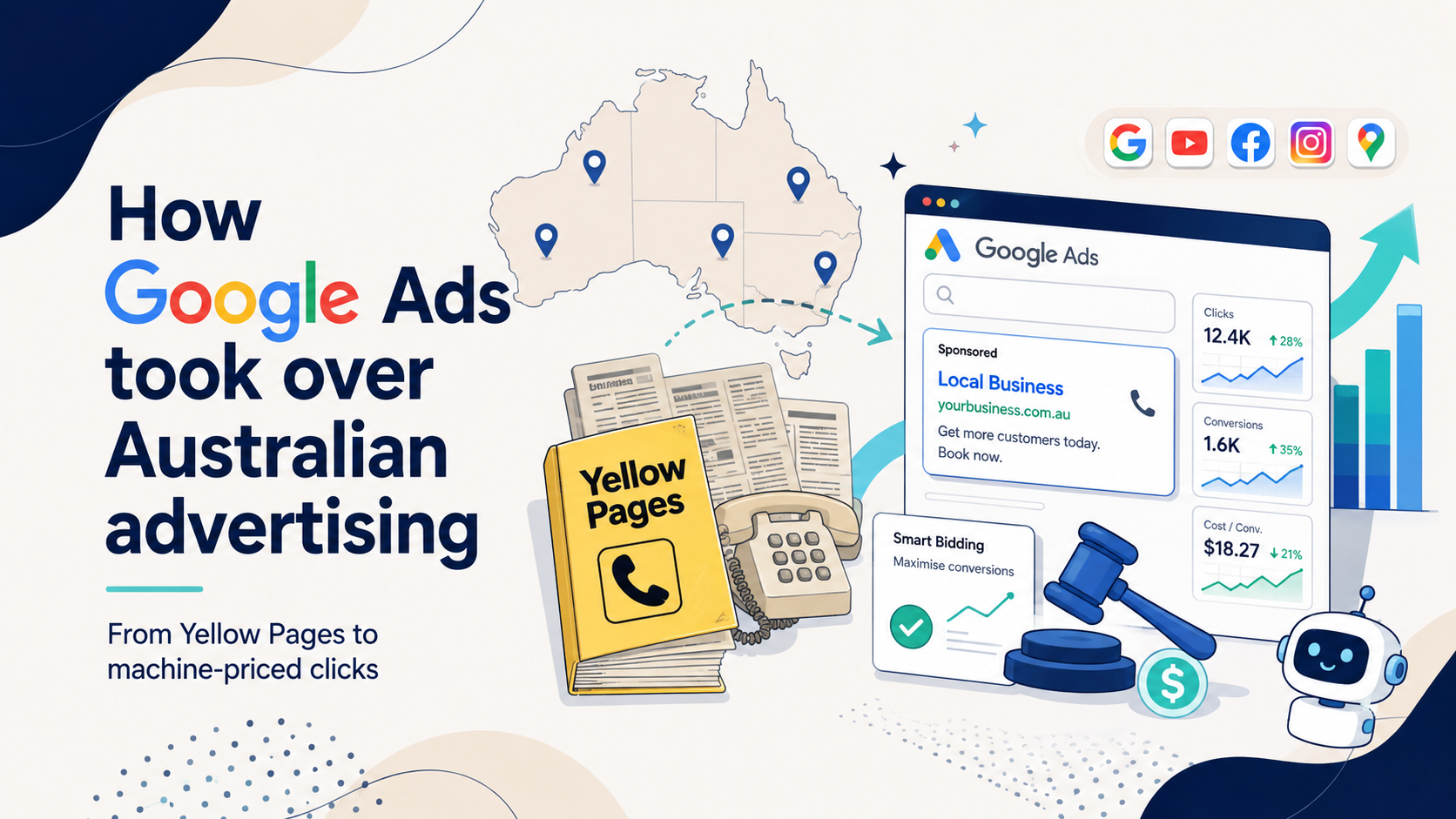
From $24,000 Yellow Pages spots to machine-priced clicks inside AI answers, this is the documented story of how Google Ads reshaped Australian advertising.
Twenty-five years ago, Google’s first advertising product worked like advertising had always worked. You got a salesperson on the phone. You talked through the budget, negotiated the rate, and signed a contract with a minimum commitment: US$10,000 over three months when the product launched. Somewhere a rep wrote up the order. In Australia, for a stretch, Google’s entire local operation was one person: Kate Vale, its first Australian hire, selling advertising from her lounge room. What mix of products went down that phone line, the record does not say.
The machine that would replace that salesperson had already shipped. Within two years it had killed the negotiated product. Within twenty it had helped hollow out the Yellow Pages’ billions, out-argued the ACCC in the High Court, paid the Tax Office an extra $481.5 million, and begun selling space inside answers written by other machines.
This article follows that takeover from the start. The question it answers is simple: how did Australia get from people selling advertising over the phone to machines deciding what a click is worth?
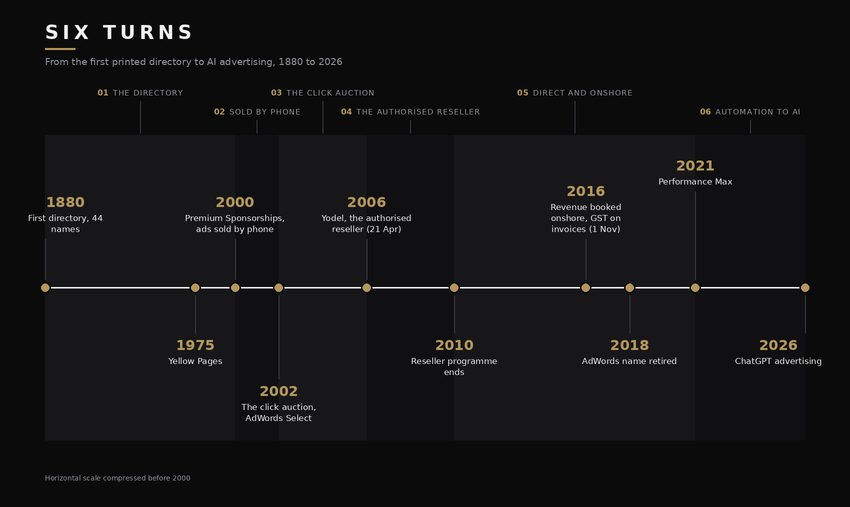
The story in six turns
- Australia before Google
- The auction arrives
- The humans come back
- Google takes control
- Australia pushes back
- The machine takes the phone back
How this was checked: this history uses primary records, contemporaneous reporting, later reporting and clearly labelled anecdotal records. Where the surviving public record does not establish something, we say so rather than fill the gap.
1. Australia before Google
Before the auction, Australian businesses bought customers from a book.
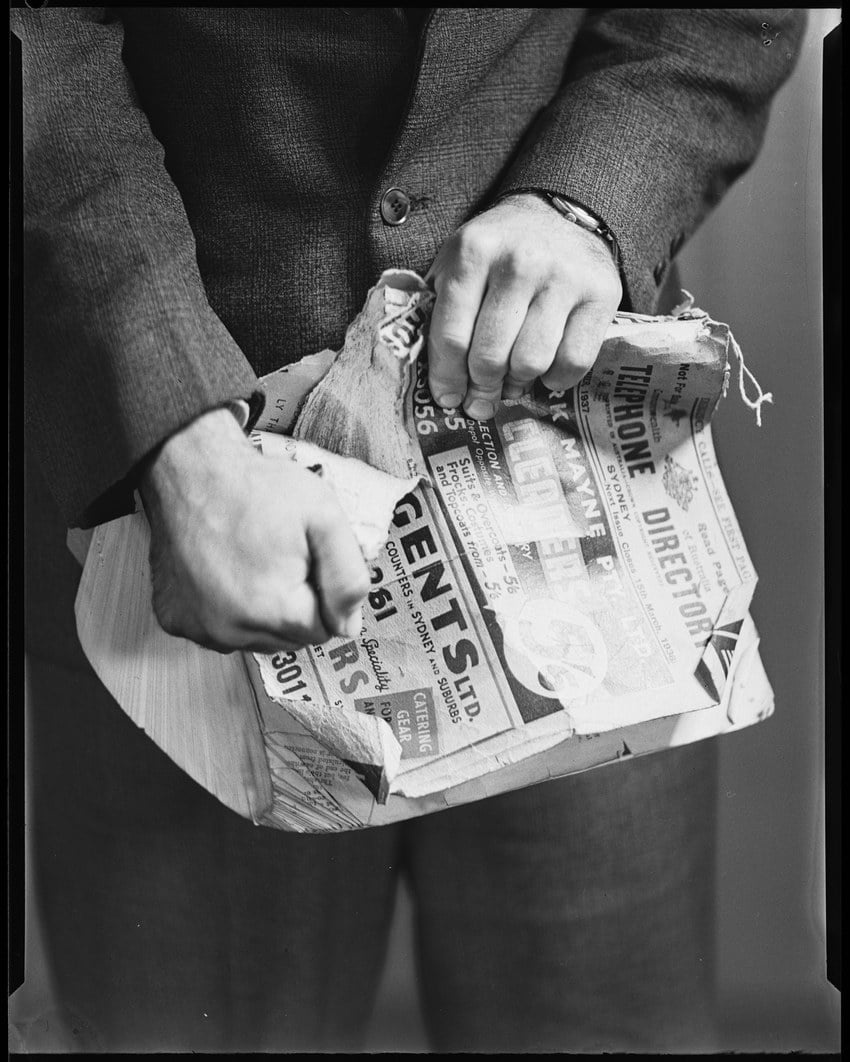
The country’s first telephone exchange opened in 1880, and its first directory appeared the same year: 44 names, in Melbourne. The classified book that grew out of it was printed on pink paper from about 1959, then renamed the Yellow Pages in 1975. Pacific Access, which ran the directories, once explained the colour change as the result of a worldwide shortage of pink paper.
The business behind the book became enormous. In 1976 the directories were losing money and ranked among Telecom’s worst public-relations problems. Fifteen years later they were its most profitable division. The arm became Pacific Access in 1991, then Sensis in 2002, and the printed book reportedly sat in 97 per cent of metropolitan households.
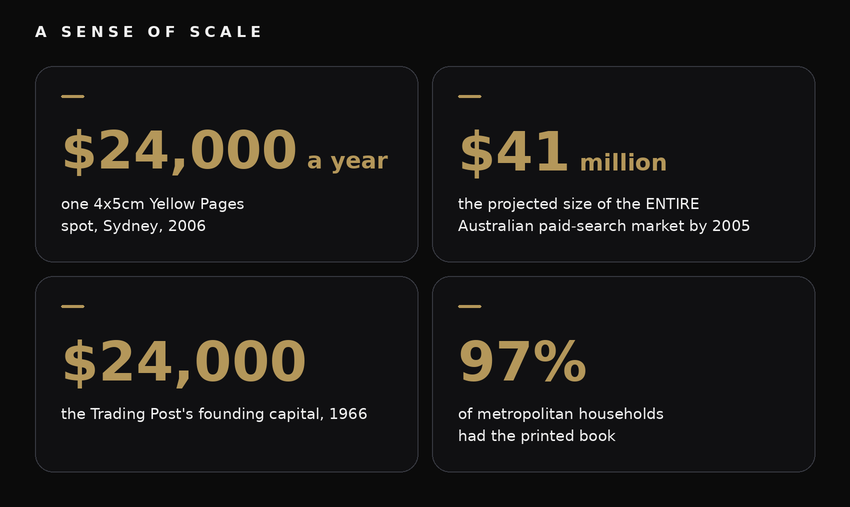
Being in it cost serious money, though the figures are oddly hard to pin down, because Sensis published no rate card. The best surviving price evidence comes from small businesses swapping numbers on the Whirlpool forums in 2006. The figure to remember: roughly $24,000 a year for a Sydney spot measuring about four centimetres by five. Colour display ads ran $50,000 to $80,000 and beyond, and new advertisers were drawn in with first-year discounts of about half price.
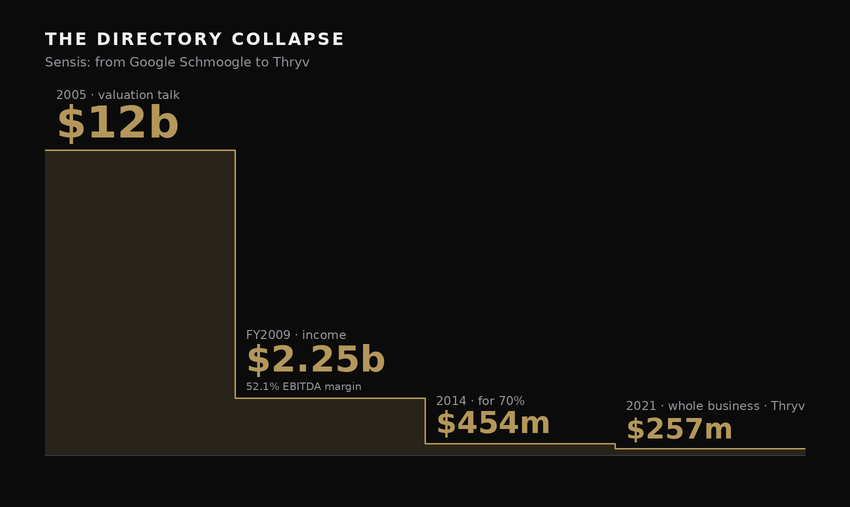
The margins explain why nobody at Telstra wanted to hear about a search engine. The former Fairfax business journalist Michael West wrote that the directories historically produced “60 per cent profit margins on a billion dollars in sales”. Telstra’s own accounts for 2009 show Sensis earning $2.25 billion of income at a 52.1 per cent EBITDA margin. Around 2005, retrospective accounts say, Telstra’s board heard the division could be worth $12 billion.
Telstra’s chief executive, Sol Trujillo, said the confident part out loud in November 2005: “Google Schmoogle. We’re outgrowing Google in Australia. We’re doing more, we’re growing faster and we have more capability, because we’re more relevant.”
Beside the phone book sat the other great classified institution. The Trading Post had started in Melbourne in 1966 on $24,000 of capital. Hold that figure: forty years later, $24,000 bought one year of one small ad in the Sydney Yellow Pages. Sensis paid $636 million for the Trading Post in 2004, near the top of the classified market.
Australia was not merely a customer of search, either. A Melbourne couple, Evan Thornley and Tracey Ellery, founded LookSmart in the mid-1990s, and by 1999 it supplied the directory behind Microsoft’s MSN and was listed on NASDAQ. At the peak in early 2000 Thornley’s stake was reported at close to US$1 billion. Then Microsoft, by 2003 the source of roughly 70 per cent of LookSmart’s revenue, declined to renew the deal. The shares halved in a day, and in 2004 the Australian assets were sold, to Sensis of all buyers. Australia’s search pioneer ended up inside the Yellow Pages, having demonstrated a rule nobody yet needed: a business built on one platform’s favour can die by one press release.

The auction model was already circling. It was American: a company called GoTo.com had pioneered the commercial pay-per-click search auction, and under its later name, Overture, it set up in Sydney around 2003 under Mel Bohse, an AltaVista veteran. Its ads ran across Yahoo, Fairfax Digital sites and ninemsn, the Microsoft-Packer joint venture that ranked among the country’s most visited sites. A 2002 Jupiter Research report projected the whole Australian paid search market reaching about $41 million by 2005.
Put the two numbers side by side. The entire national paid search market: a projected $41 million. One small Sydney Yellow Pages spot: $24,000 a year. Australian businesses did not need convincing that being found was worth money. They were already paying heavily for it. Search advertising never had to create that demand. It only had to price it better.
Sources and evidence
Retrospective reporting · https://www.emelbourne.net.au/biogs/EM00470b.htm
Primary record · https://failover.in.paws-sensis.com.au/about/our-history.html
Retrospective reporting · https://journal.media-culture.org.au/index.php/mcjournal/article/view/556
Retrospective reporting · https://jtde.telsoc.org/index.php/jtde/article/view/61
Anecdotal record · https://forums.whirlpool.net.au/archive/540986
Primary record · https://www.telstra.com.au/content/dam/tcom/about-us/investors/pdf%20A/tls696_2009annualreport.pdf
Retrospective reporting · https://michaelwest.com.au/time-for-the-yellow-pages-to-walk-the-gangplank/
Retrospective reporting · https://www.innovationaus.com/google-schmoogle-telstra-takes-aim/
Contemporaneous reporting · https://www.sbs.com.au/news/article/waking-up-to-its-sensis/yislq4m0q
Retrospective reporting · https://en.wikipedia.org/wiki/Trading_Post_(newspaper)
Primary record · https://www.sec.gov/Archives/edgar/data/1046126/000095012304011066/y02175e6vk.htm
Retrospective reporting · https://en.wikipedia.org/wiki/LookSmart
Retrospective reporting · https://en.wikipedia.org/wiki/Evan_Thornley
Contemporaneous reporting · https://www.nbcnews.com/news/amp/wbna3131170
Primary record · https://www.sec.gov/Archives/edgar/data/0001077866/000119312504006336/dex991.htm
Primary record · https://www.sec.gov/Archives/edgar/data/1046126/000095012304012222/y03558e6vk.htm
Contemporaneous reporting · https://www.searchenginewatch.com/2003/07/14/yahoo-to-buy-overture/
Contemporaneous reporting · https://www.campaignlive.co.uk/article/associated-new-media-taps-overture-search-partner/187608
Retrospective reporting · https://www.websearchworkshop.com.au/yahoo-search-marketing.php
Retrospective reporting · https://delimiter.com.au/2013/10/14/16-years-microsoft-finally-exits-ninemsn/
Contemporaneous reporting · https://informitv.com/2005/12/09/yahoo-and-seven-network-in-joint-new-media-venture/
2. The auction arrives
Google’s first ad product worked the way advertising always had. Premium Sponsorships launched in August 2000: boxes at the top of the results page, sold by Google’s own representatives, priced per thousand impressions, with that US$10,000 minimum over three months. A self-service option called AdWords followed in October 2000, still priced by the impression, and Google’s press release described it as “an extension of Google’s premium sponsorship program announced in August”. Note the wording. The self-serve product was the extension; the salesperson had the main event.
That arrangement lasted about sixteen months. In February 2002 Google stopped asking advertisers to buy impressions and let them bid on clicks instead. The product was called AdWords Select, and it changed three things at once. You paid only when somebody clicked. Your position depended on your bid multiplied by how often people actually clicked your ad, not the bid alone. And a feature Google called the Discounter automatically dropped your price to just above what the next bidder would have paid.
A reviewer at the time, Andrew Goodman of Traffick, caught how strange the ranking formula was: “a hybrid of user tracking and bid amounts”. Ads went live instantly, “No three-day wait!”, a jab at Overture, the pay-per-click incumbent. The widely cited minimum bid was five US cents. And the system enforced a discipline no human seller ever had: if fewer than one searcher in two hundred clicked your ad, Google simply switched it off.
Australia joined the story that same year, at the smallest possible scale. Kate Vale, who had sold for OzEmail and LookSmart, became Google’s first Australian employee in 2002 and initially worked from her lounge room. The paperwork gives the year one hard edge: Google Australia Pty Ltd’s ABN has been active since 4 October 2002. That is the entire documented local footprint for the year, a lounge room and a company number, and the public record does not say which products she was selling down that phone line.
For about a year the two pricing models coexisted. Then the auction won. By mid-2003, Search Engine Watch reported, Google had stopped selling the negotiated CPM product to new customers, and it was gone altogether by 2004. Tim Armstrong, then Google’s vice president of advertising, supplied the epitaph: “Google’s CPM product has been training wheels to get large advertisers on board.”
The training wheels came off everywhere at once. From 2004, a Parramatta florist and a Fortune 500 airline could enter the same click auction: a login, a credit card, a bid, no contract, no minimum, no phone call. Which makes the next Australian chapter genuinely odd. The sales calls were about to come back, at industrial volume, and the people making them would say the word “Google” a great deal. They just would not work there.
Sources and evidence
Primary record · https://googlepress.blogspot.com/2000/10/google-launches-self-service.html
Primary record · http://googlepress.blogspot.com/2002/02/google-introduces-new-pricing-for.html
Contemporaneous reporting · https://traffick.com/2002/02/pass-out-the-cigars-for-googles-new-baby-adwords-select/
Contemporaneous reporting · https://searchenginewatch.com/2003/04/23/google-paid-listings-premium-sponsorships-adwords/
Contemporaneous reporting · https://searchenginewatch.com/2003/06/16/google-ends-premium-sponsorships/
Retrospective reporting · https://searchengineland.com/google-adwords-turns-15-a-look-back-at-the-origins-of-a-60-billion-business-234579
Retrospective reporting · https://www.screamingfrog.co.uk/adwords-history/
Retrospective reporting · http://www.smh.com.au/text/articles/2008/09/07/1220725858555.html
Retrospective reporting · https://www.smartcompany.com.au/people-human-resources/leadership/always-moving-towards-the-top-kate-vale/
Primary record · https://abr.business.gov.au/ABN/View?abn=33102417032
3. The humans come back
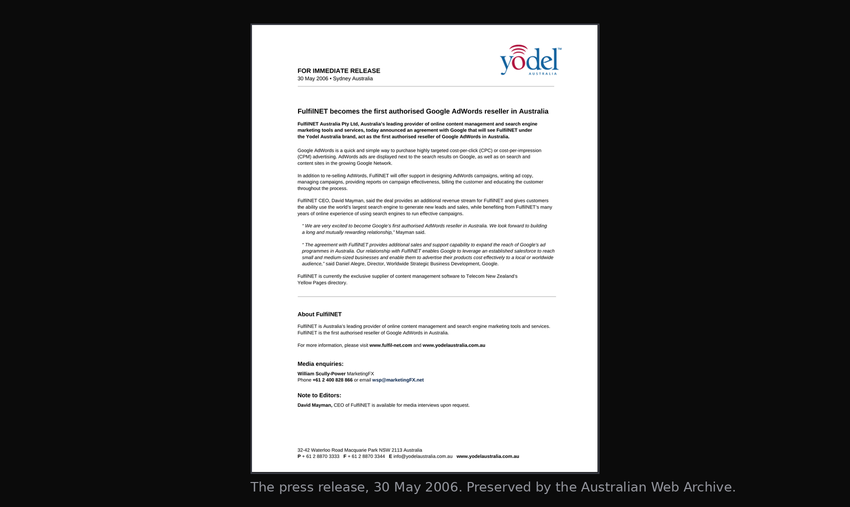
Google had built a product that needed no salesperson. Australian small business, it turned out, still wanted one.
Think about what self-service AdWords asked of a plumber in 2006: keywords, match types, bids, clickthrough rates, a dashboard in a web browser. The Yellow Pages had asked for one decision a year. The distance between those two experiences was a market, and Google filled it with a program: authorised resellers, licensed to package AdWords and sell it to small businesses at scale.
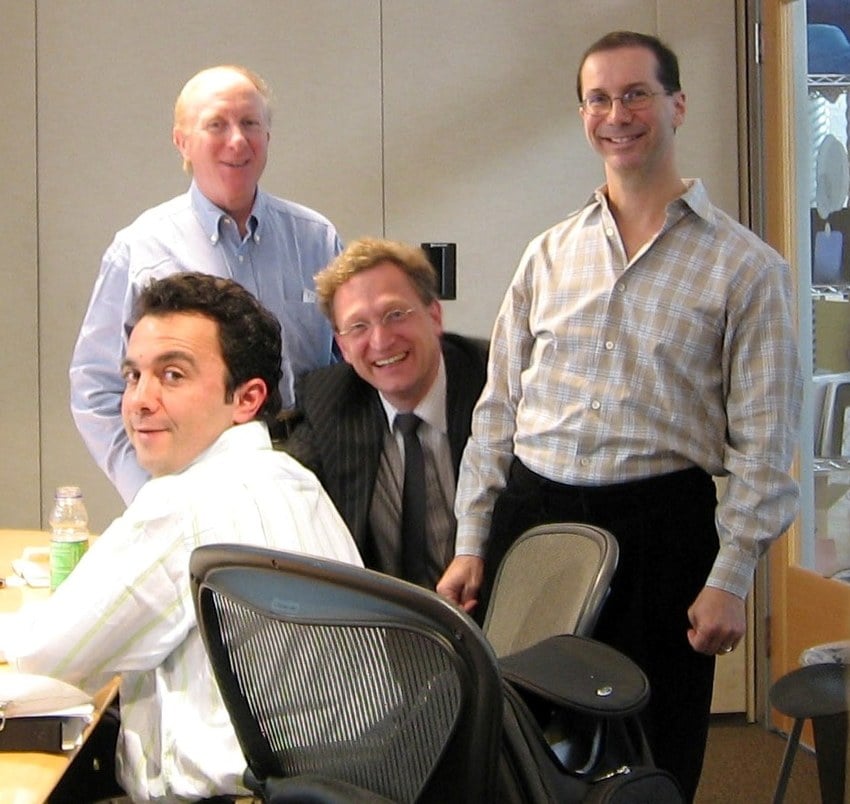
Australia’s reseller came out of North Ryde. FulfilNET Australia had been building and hosting small-business websites since 1998, and was credible enough that John Howard, then Prime Minister, opened its new offices in 2003, calling it one of “two companies very much a part of Australia’s future”. Another FulfilNET company put it on Google’s radar: Australian Local Search, the database behind Yahoo!’s local business directory, which News Corporation bought in December 2005 for a reported A$22 million and rebranded TrueLocal, months before the Yodel name existed. The National Business Review later reported that this sale led to the company being “shoulder-tapped by Google”. TrueLocal’s own story ended the familiar way: in 2013 News sold it to Sensis, for an undisclosed sum. The phone-book empire collected another challenger, as it had collected LookSmart’s Australian assets.
Google’s own website carried the date: FulfilNET, trading as Yodel Australia, had been an authorised AdWords reseller since 21 April 2006, five weeks before the public announcement. Google kept the big advertisers direct. Yodel sold packaged AdWords to small businesses, by phone, through call centres, eventually via a number that spelled 1800 SEARCH.
David Mayman, FulfilNET’s chief executive, put the moment on record in the launch release: “We are very excited to become Google’s first authorised AdWords reseller in Australia. We look forward to building a long and mutually rewarding relationship.”
The growth is the half of this story that gets forgotten, and it is the half that matters. Yodel announced with 850 customers and 45 staff. Fourteen months later it reported 2,800 Australian customers and roughly A$15 million in annual revenue, plus a New Zealand arm that had signed 360 customers in a few months. Approvals followed for Ireland, the UK and South Africa. The company’s peak claim was more than 7,000 customers, served by about 160 staff. Others wanted in: Google listed a second Australian reseller from mid-2008, and in 2011 Telstra’s Sensis, the Yellow Pages itself, signed on to resell AdWords.
Read Yodel’s numbers as evidence about the market rather than the company. When the New Zealand deal landed, the National Business Review compressed the entire pitch into one headline: “Yodel ties up with Google to take on Yellow Pages”. Thousands of businesses paying directory prices wanted any alternative, and they bought one over the phone, often without really understanding the product, faster than the reseller could build systems to serve them. Yodel did not create Australia’s demand for search advertising. Yodel measured it.
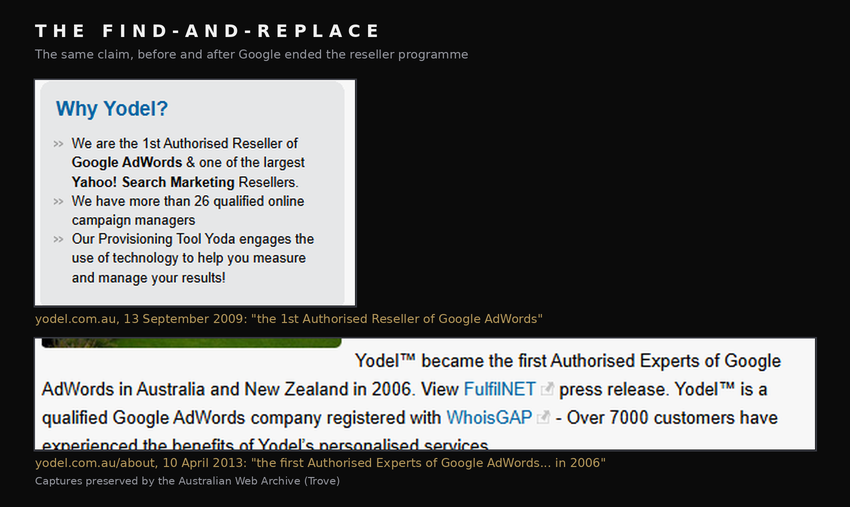
Its managing director, Paul Harvell, was frank about the economics from the first day: reselling margins were “around 10-15 percent, so essentially we are here for the customers”, with the real money in upselling websites. Sit with that margin for a moment. A company living on 10 to 15 per cent of small advertising budgets has to sell a thin product, at volume, by telephone, forever. The pressure was built into the program’s design, and the design was Google’s.
The complaints arrived not long after. From 2008, customers began alleging on blogs and forums that telemarketing calls were being introduced as coming from Google. Yodel disputed the characterisation: its marketing manager replied that staff are trained to “always represent ourselves as Yodel”. Hold the phrase about the calls; this story meets it again.
Google was watching the same incentives play out worldwide. Industry reporting in March 2010 described resellers in some markets keeping 40 to 50 per cent of advertiser spend and churning through customers, and within weeks the global reseller program was reported discontinued. In late 2011 Google replaced it with a certified-partner model. Whatever Google’s internal reasoning, the reseller experiment was over.
The end, when it came, was brief in the record. Google wound up its reseller model, and in November 2013 FulfilNET entered liquidation, its debts with subsidiary Blink Digital put at a combined $4.5 million, of which about $100,000 was owed to Google itself. The reseller finished owing the platform.
Yodel’s longest legacy is people. When customers left, Harvell later observed, they often defected to agencies founded by his own former staff: an exodus that seeded a generation of Australian search firms. The alumni are still visible across the industry. Paul Harvell and Michael Gerardis later worked at Locafy, a local-search company listed on Nasdaq, and a published Yodel staff list from 2008 names Gerardis as its general manager. He is today general manager of Click Click Media, which publishes this article.
What should a reader take from Yodel? Not chiefly the collapse. The growth proved something bigger: Australian small businesses wanted out of the directory badly enough to buy search advertising from a stranger on the phone, sight unseen. The businesses Yodel introduced to the auction were stepping into a channel that kept growing for two decades. The directory they left never recovered.
Sources and evidence
Contemporaneous reporting · https://www.smh.com.au/articles/2003/12/01/1070127335027.html
Primary record · https://web.archive.org.au/awa/20070829213529/http://www.yodelaustralia.com.au/news4.html
Primary record · https://web.archive.org.au/awa/20090913083245/http://www.yodel.com.au/about/press/yodelties
Contemporaneous reporting · https://www.smh.com.au/business/telstra-looks-to-truelocal-to-revitalise-sensis-20130117-2cw3i.html
Primary record · https://web.archive.org.au/awa/20100127052758/http://www.google.com.au/intl/en/adwords/reseller/yodelaustralia.html
Primary record · https://web.archive.org.au/awa/20070829213438/http://fulfilnet.com.au/pdf/FulfilNET%20-%20Google%20approved.pdf
Contemporaneous reporting · https://www.itnews.com.au/news/fulfilnet-uses-google-to-bring-in-the-punters-38352
Primary record · https://web.archive.org.au/awa/20070829213541/http://www.yodelaustralia.com.au/news1.html
Retrospective reporting · https://en.wikipedia.org/wiki/Yodel_Australia
Primary record · https://web.archive.org.au/awa/20091013063832/http://www.yodelaustralia.com.au/
Primary record · https://web.archive.org.au/awa/20090913065546/http://www.yodel.com.au/about/people/
Primary record · https://web.archive.org.au/awa/20100114235631/http://www.google.com.au/intl/en/adwords/reseller/advantate.html
Contemporaneous reporting · https://itwire.com/deals/sensis-to-sell-google-adwords.html
Anecdotal record · https://web.archive.org.au/awa/20080720084816/http://blogpond.com.au/2008/03/13/yodel-google/
Anecdotal record · https://australiansearchengine.wordpress.com/2008/05/30/yodel-google-australia/
Anecdotal record · https://forums.whirlpool.net.au/archive/1089094
Contemporaneous reporting · https://gesterling.wordpress.com/2010/03/28/rumor-google-adwords-reseller-program-ending/
Primary record · https://smallbusiness.googleblog.com/2011/10/introducing-google-adwords-premier-smb.html
Primary record · https://web.archive.org.au/awa/20110217233758/http://www.yodel.com.au/about
Primary record · https://web.archive.org.au/awa/20130410084337/http://www.yodel.com.au/about
Contemporaneous reporting · https://www.abc.net.au/news/2013-12-16/customers-left-in-the-lurch-as-internet-ad-agencies-go-bust/5159762
Contemporaneous reporting · https://ecommercenews.com.au/story/click-click-media-names-michael-gerardis-general-manager
Contemporaneous reporting · https://itbrief.com.au/story/click-click-media-names-michael-gerardis-general-manager
4. Google takes control
While the resellers rose and fell, the auction itself was changing. Each change looked technical. Together they moved one decision after another from the advertiser’s side of the table to Google’s.
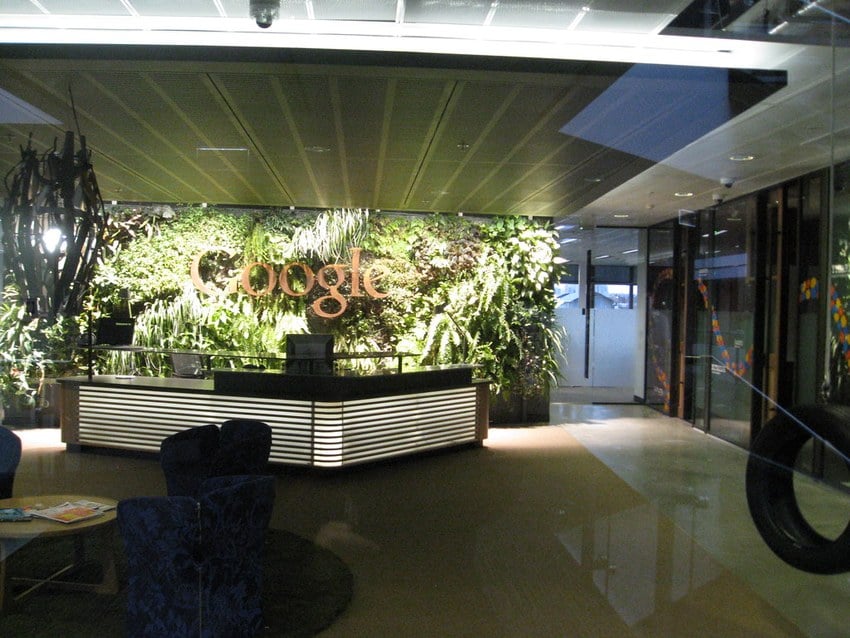
Price went first. Google introduced Quality Score in August 2005, and from that December the quality of your landing page entered the formula. In plain terms: Google’s opinion of your website now helped set what you paid for a click. A keyword the system rated well could cost a minimum of one US cent; one it rated poorly could be quoted five or ten dollars just to enter the auction. The auction had stopped being a neutral bidding room and become a judge.
Google then bought a huge piece of the infrastructure behind display advertising. Its biggest purchase to that point, announced in April 2007, was DoubleClick, the dominant ad-serving business behind display advertising: US$3.1 billion, in cash. The ACCC examined the deal and announced on 30 October 2007 that it would not oppose it, deciding the two companies were not close competitors. Australia’s regulator cleared the purchase before America’s or Europe’s did. From March 2008, Google owned both the search auction and much of the plumbing behind the banner ads on Australian websites.
The local incumbent conceded the same year. In November 2008 Sensis announced that Google would power search, and serve the ads, on Sensis and BigPond sites, with revenue shared; its own pay-per-click product was wound up within a year. Hitwise measured Google at 88 per cent of Australian search. Then the directory economics began to break. Sensis income peaked at $2.25 billion in 2009, then lost a third inside three years. Telstra sold 70 per cent of the business in 2014 at a valuation near $650 million, and Thryv bought the whole thing in 2021 for about A$257 million. From $12 billion of boardroom talk to $257 million, in sixteen years. For what it is worth, Click Click Media began buying AdWords for Australian businesses in 2008, into exactly the market this section describes: one auction, with everything else feeding it.
Australian retailers also learned that a free Google surface could later become paid inventory. Google Shopping launched here in mid-2011 at no cost: retailers listed a catalogue and showed up in shopping results for nothing. Twenty months later the meter started. From 13 February 2013, Australian shopping results carried the label ‘Sponsored’, and inclusion ran through the auction.
That same month, device choice went. A change called Enhanced Campaigns merged desktop, tablet and mobile into single campaigns. A mobile-only campaign became impossible, and tablets were tied to desktop bids with no override at all. Accounts that had not converted by 22 July 2013 were converted for them: the product’s first forced migration. It would not be the last.
The quietest loss was the largest. From 2012, “exact match” began matching words the advertiser had not typed, misspellings and plurals at first, with an opt-out for those who cared. In 2014 Google removed the opt-out over public protest, petition included. In 2017 exact match stopped respecting word order, which mattered to anyone selling flights from Sydney to Melbourne rather than the other way. In 2018 it stretched again, to “same meaning” as judged by machine learning. Exact match still existed on the screen. What had gone was the promise that Google would match only the words the advertiser chose.
The era closed with a rename. On 24 July 2018 AdWords became Google Ads, and the name an entire Australian industry had trained under, resold and complained about for eighteen years was retired. By then the pattern needed no more examples. The advertiser still supplied the money, the goal and the creative. Google decided, more and more, when, where, on which device and at what quality-adjusted price that money entered its auction.
Sources and evidence
Retrospective reporting · https://www.screamingfrog.co.uk/adwords-history/
Retrospective reporting · https://ppchero.com/guides/history-of-adwords-quality-score-and-periodic-changes/
Primary record · https://adwords.googleblog.com/2005/12/new-addition-to-quality-score.html
Contemporaneous reporting · https://techcrunch.com/?p=5682
Primary record · https://www.accc.gov.au/public-registers/mergers-registers/public-informal-merger-reviews/google-inc-proposed-acquisition-of-doubleclick-inc
Contemporaneous reporting · https://www.technologyreview.com/2008/03/11/221405/google-acquires-doubleclick/
Contemporaneous reporting · https://www.itnews.com.au/news/sensis-concedes-australian-web-search-to-google-127369
Retrospective reporting · https://www.websearchworkshop.com.au/sensis-bidsmart.php
Contemporaneous reporting · http://www.smh.com.au/text/articles/2008/09/07/1220725858555.html
Contemporaneous reporting · https://aimgroup.com/2009/08/25/sensis-and-telstra-show-yearend-growth/
Primary record · https://announcements.asx.com.au/asxpdf/20140114/pdf/42m3rr4r4bb7zq.pdf
Contemporaneous reporting · https://www.technologydecisions.com.au/content/it-management/article/analysis-sensis-sale-part-of-telstra-transformation-854192311
Primary record · https://clickclickmedia.com.au/ppc-agency/google-ads/
Contemporaneous reporting · https://www.ibtimes.com.au/google-shopping-launches-australia-1280926
Contemporaneous reporting · https://techcrunch.com/?p=699374
Contemporaneous reporting · https://techcrunch.com/2013/02/06/google-adwords-enhanced-campaigns/
Contemporaneous reporting · https://www.mediapost.com/publications/article/202032/google-enhanced-campaigns-migration-gets-mixed-rev.html
Retrospective reporting · https://searchengineland.com/timeline-the-long-slow-death-of-exact-match-in-google-ads
Contemporaneous reporting · https://searchengineland.com/farewell-pure-exact-match-google-will-soon-force-campaigns-close-variants-enabled-200615
Contemporaneous reporting · https://searchengineland.com/google-exact-match-close-variants-word-order-function-words-271395
Contemporaneous reporting · https://searchengineland.com/google-is-retiring-the-adwords-doubleclick-brands-in-a-major-rebranding-aimed-at-simplification-301073
5. Australia pushes back
Australia spent a decade and a half putting three questions to Google, in courtrooms, committee rooms and inquiries. Each question sounds simple. Each answer changed what an Australian advertiser was actually buying.
Who answers for the ad? In July 2007 the ACCC sued Google and the Trading Post over sponsored links, in an action the regulator described as the first of its type in the world: the first test of search advertising under trade practices law rather than trademark law. The Trading Post had run ads headlined “Kloster Ford” and “Charlestown Toyota”, both real Newcastle car dealerships, and pointed the links at its own website. The question was whether Google, by publishing them, had itself misled the public.
The answer swung on every appeal. Google won the first round in 2011. The Full Federal Court reversed it, unanimously, in 2012. The High Court reversed it back, again unanimously, on 6 February 2013. The court held that Google had not created the misleading links; its technology “merely assembled information provided by others”, and ordinary users would read the ads as the advertisers’ claims, not Google’s. The ACCC’s chairman, Rod Sims, absorbed the loss and turned it outward: businesses buying search ads must take care not to mislead. A decade on, Employsure demonstrated the point, paying a $3 million penalty in 2023 over “Fair Work Ombudsman Help” ads that misled more than 100 small businesses into thinking they were dealing with a government agency. Google supplied the machinery. The responsibility stayed with the person paying for the ad.
Who actually gets the money? In November 2012 the Assistant Treasurer, David Bradbury, read out what the contracts said: “under the fine print of contracts Australian firms sign with Google, they are actually buying their advertising from an Irish subsidiary of Google”. By 2015 the counterparty was Singapore, and Google Australia’s managing director, Maile Carnegie, explained the structure to a Senate committee under oath. The local company sold sales and marketing services to Google Singapore; the advertising revenue was taxed there. For the year under examination, that structure produced revenue of $358 million, a $46 million profit, and $7.1 million of company tax. Asked about the ethics, she replied: “when I think about the morality, the people who need to answer… are the people sitting on your side of the room”. The Tax Commissioner, Chris Jordan, told the same committee that “the majority of profits made in Australia end up in Bermuda where no tax is paid”. That was his characterisation, and the companies disputed it, but the audit behind it was real.
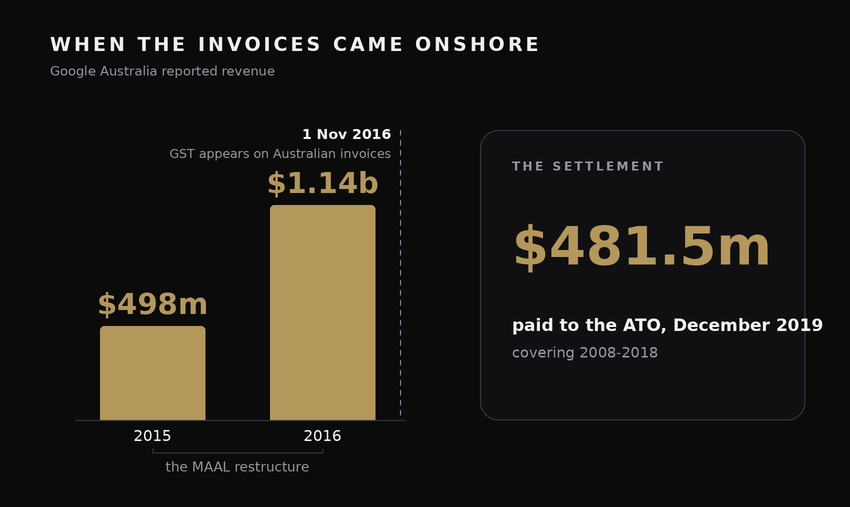
Parliament legislated. The Multinational Anti-Avoidance Law took effect from the start of 2016, and Google restructured to book Australian customer revenue locally; its reported local revenue more than doubled inside a year, from $498 million to $1.14 billion. Then came the one moment an ordinary advertiser could see. From 1 November 2016 the AdWords invoice stopped coming from Singapore and started coming from Google Australia, with GST added. The company had held GST registration since 2002; the invoices simply had not come from it, and no record we could find shows Google Australia’s name on an advertiser’s invoice before that date. The dispute closed in December 2019, when Google paid an extra $481.5 million to settle the ATO’s audit covering the years 2008 through 2018, admitting no liability. The ATO wrote its own headline: “ATO nets another e-commerce victory”.
How much power had the auction accumulated? The ACCC’s Digital Platforms Inquiry reported in 2019 that Google handled roughly 94 per cent of Australian searches and collected $47 of every $100 spent on digital advertising outside classifieds. The market-power fight that followed produced the loudest month in this whole history. Google’s local chief, Mel Silva, told a Senate committee in January 2021 that the company would have “no real choice but to stop making Google Search available in Australia” if the News Media Bargaining Code became law. The Prime Minister answered the same day: “We don’t respond to threats.” Within four weeks Google had signed deals with Seven, Nine and News Corp. The code passed in February 2021 and has never been applied to any platform; a 2022 Treasury review counted more than 30 first-year deals it judged “highly unlikely” without it. The gun never fired; it only had to be cocked.
The auction’s inner workings surfaced in Washington, not Canberra. At the US Department of Justice’s search trial in September 2023, Google’s ads vice president, Jerry Dischler, testified that the company tunes its auction to hit revenue targets: a practice called “squashing”, run under the internal name Project Momiji; pricing by ad format; and a mechanism called RGSP that can swap the runner-up bidder into the top position. The price effects, he said, could reach 5 or 10 per cent, and advertisers were usually not told. These are sworn trial disclosures, not findings of any Australian court. But they describe the same global auction Australians buy from every day, and they sit awkwardly beside the tidy “second-price auction” that a generation of AdWords certifications taught.
Sources and evidence
Primary record · https://www.accc.gov.au/media-release/accc-alleges-misleading-and-deceptive-conduct-by-trading-post-and-google
Anecdotal record · https://mailman.anu.edu.au/pipermail/link/2007-July/007266.html
Primary record · https://www.accc.gov.au/media-release/court-decision-on-google-clarifies-misleading-advertisements
Retrospective reporting · https://www.australiancompetitionlaw.info/cases/chronological
Primary record · https://www.hcourt.gov.au/cases-and-judgments/judgments/judgments-1998-current/google-inc-v-australian-competition-and-consumer-commission
Primary record · https://www.accc.gov.au/media-release/google-appeal-upheld
Primary record · https://www.accc.gov.au/media-release/full-federal-court-finds-employsure-google-ads-misleading
Primary record · https://www.accc.gov.au/media-release/employsure-to-pay-3m-penalty-for-misleading-google-ads-after-accc-appeal
Contemporaneous reporting · https://www.itnews.com.au/news/global-giants-not-paying-enough-aussie-tax-342014
Contemporaneous reporting · https://www.theguardian.com/australia-news/2015/apr/08/google-apple-and-microsoft-defend-tax-set-up-that-shifts-revenue-offshore
Contemporaneous reporting · https://www.itnews.com.au/news/google-microsoft-admit-to-sending-aussie-revenue-to-singapore-402507
Contemporaneous reporting · https://www.theguardian.com/australia-news/2015/apr/22/tax-boss-rebukes-google-apple-and-microsoft-over-senate-inquiry-evidence
Contemporaneous reporting · https://www.itnews.com.au/news/google-australia-restructures-amid-tax-crackdown-418827
Contemporaneous reporting · https://www.itnews.com.au/news/google-brings-local-profits-back-from-singapore-to-australia-441512
Contemporaneous reporting · https://www.itnews.com.au/news/google-to-challenge-ato-in-unpaid-tax-battle-459948
Primary record · https://abr.business.gov.au/ABN/View?abn=33102417032
Primary record · https://webarchive.nla.gov.au/awa/20200606170218/https://www.ato.gov.au/Media-centre/Media-releases/ATO-nets-another-e-commerce-victory/
Contemporaneous reporting · https://www.itnews.com.au/news/google-pays-4815m-to-settle-aussie-tax-dispute-535778
Contemporaneous reporting · https://www.theguardian.com/australia-news/2019/dec/18/google-to-pay-4815m-in-major-win-for-australian-tax-office
Primary record · https://ministers.treasury.gov.au/ministers/michael-sukkar-2019/media-releases/governments-tax-avoidance-laws-sees-google-settle-ato
Primary record · https://www.accc.gov.au/about-us/publications/digital-platforms-inquiry-final-report
Contemporaneous reporting · https://www.crikey.com.au/2021/01/22/google-australia-bargaining-code-senate/
Contemporaneous reporting · https://www.cnbc.com/2021/02/17/google-and-news-corp-strike-deal-as-australia-pushes-platforms-to-pay-for-news.html
Retrospective reporting · https://wilmap.stanford.edu/node/31103
Primary record · https://treasury.gov.au/review/news-media-digital-platforms-mandatory-bargaining-code
Primary record · https://treasury.gov.au/sites/default/files/2022-11/p2022-343549.pdf
Contemporaneous reporting · https://www.searchenginejournal.com/google-allegedly-adjusts-ad-auctions-to-meet-revenue-goals/496634/
Contemporaneous reporting · https://searchengineland.com/doj-google-search-ad-price-manipulation-440207
6. The machine takes the phone back
The final act runs on two tracks. On one, machines take over the buying. On the other, the human voice on the phone stops belonging to Google.
The buying went first. In July 2016 Google began adjusting bids automatically using machine learning, a system it called Smart Bidding and said drew on “millions of signals” in every auction. The bid, the one number an account manager still truly controlled, moved from the spreadsheet into the model. The keyword followed: phrase match was loosened in 2019, and the workaround advertisers relied on, broad match modifier, was retired from 2021.
Then the campaign itself dissolved. Performance Max, generally available from November 2021, takes a goal, a budget and a pile of creative assets, then buys across Search, YouTube, Gmail, Display, Discover and Maps as it sees fit, disclosing little about where the money went. Through late 2022, every Smart Shopping and Local campaign was compulsorily converted into it: the second forced migration, nine years after the first. Measurement moved on Google’s schedule too. Universal Analytics stopped processing data on 1 July 2023. A year later, to the day, the stored history was deleted. Australian businesses that never exported their records lost them permanently.
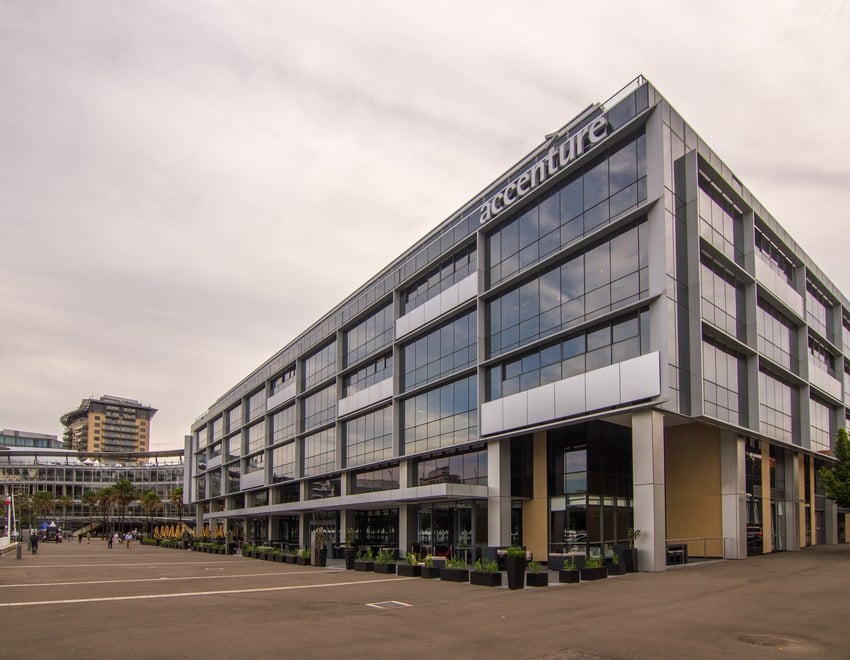
While the machine absorbed the buying, the humans were quietly reorganised. In 2011 Google boasted of more than 1,000 support staff, all Google employees, answering 10,000 calls a week, with vice president Francoise Brougher explaining that the company refused to outsource because in-house support meant a “much higher level of quality”. Google’s help pages now list ten external companies, including Accenture and Teleperformance, which “work on behalf of Google to help new advertisers start and optimize their campaigns”. Their emails come from @xwf.google.com. Google pairs the domain with the phrase “extended workforce” in its own documentation, though no Google page ever expands the acronym. Google Operations Center advertises its ads-support roles mostly in Hyderabad, Gurgaon and the Philippines. No source maps Australian accounts to any particular hub: the record shows where the operations exist, not where your call lands.
Jyll Saskin Gales, who worked at Google from 2015 to 2021, described the layers in 2024. Your Google rep “is not a support rep” but “a sales person”; behind them sits a campaign manager “based in India”, who has “a vendor team to support them, and on and on”. Google’s extended-workforce page states these workers “are not, and have never been, Google employees”. Reporting from practitioners says these reps are graded on spend growth and the adoption of new features, not on whether the advertiser’s business improved. One documented case points the same way: a small chocolatier, steered into Performance Max on rep advice, spent $3,000 for a single sale, then won 56 customers after reverting to an ordinary campaign.
Advertisers cannot always tell whether the voice is real. Gmail’s own help forums carry threads asking whether email from xwf.google.com is a scam, with Google’s volunteer expert offering that xwf “might stand for eXtended WorkForce”. Hold the two eras side by side. In 2008, Australians complained about salespeople who said they were from Google and were not. In 2026, Google’s outsourced salespeople write from Google addresses, declare who really employs them at the bottom of the signature, and recipients still cannot tell. The record does not say whether that is progress.
Google acknowledged the frustration. Its ads liaison, Ginny Marvin, said in June 2022 that outsourced consultants had been pushing budget increases: “We are working to address this specific incident as well as the broader concern.” Days into 2023, as Alphabet cut 12,000 jobs, Digiday reported that Google was pushing advertisers toward approved resellers; sources called the move “outsourcing”. By January 2024, Search Engine Land reported that Google Ads customer service had “plummeted to an unacceptable all-time low”. Greg Sterling, who had covered the reseller shutdown back in 2010, connected the two eras in a January 2023 comment: “Previously Google wanted to work directly with accounts and was accused of stealing them. Now it needs its partner/vendor ecosystem more than ever.”
None of this was a retreat from Australia. Google took over floors of the Pyrmont building that Fairfax was shrinking out of, announced a $1 billion Digital Future Initiative in 2021, and grew from about 350 local staff in 2009 to more than 1,700. The presence grew. What moved was the voice on the phone.
Then the page itself changed. AI Overviews, Google’s machine-written answers, reached Australia in late 2024. On 19 December 2025, with no press release and no opt-in, Google edited a help page and Australian campaigns became eligible to appear inside those answers. Weeks later came the first credible rival auction in this entire history: OpenAI announced ads in ChatGPT in January 2026, Australia sat in the first international wave, and by late May local businesses could use a self-serve manager with cost-per-click bidding. By early July, third-party measurement put ads in 49.8 per cent of Australian free-tier ChatGPT replies.
Follow the story end to end and it closes with a strange symmetry. It opens with a person quoting a rate down the phone. It ends with software negotiating against software: one model bidding on the advertiser’s behalf, another choosing which surface the ad appears on, sometimes inside an answer a third model wrote. In 2006 a Sydney business knew exactly what being found cost, about $24,000 for a few square centimetres of the book, fixed for the year, results revealed only when the phone rang. No part of that price survives. The click costs whatever two machines agree it is worth, in the moment. Both of them are counting.
Sources and evidence
Contemporaneous reporting · https://searchengineland.com/google-adwords-automated-smart-bidding-254490
Contemporaneous reporting · https://searchengineland.com/google-extends-same-meaning-close-variants-to-phrase-match-broad-match-modifiers-320138
Primary record · https://ads-developers.googleblog.com/2021/02/changes-to-phrase-match-and-broad-match.html
Primary record · https://blog.google/products/ads-commerce/performance-max/
Contemporaneous reporting · https://searchengineland.com/smart-shopping-and-local-campaigns-to-be-transitioned-to-performance-max-by-end-of-sept-2022-379294
Contemporaneous reporting · https://searchengineland.com/google-deprecate-universal-analytics-on-july-1-2023-382648
Contemporaneous reporting · https://searchengineland.com/google-turns-off-universal-analytics-july-1-what-you-need-to-know-443447
Contemporaneous reporting · https://searchengineland.com/google-customer-support-suprise-1000-reps-handling-10000-calls-a-week-from-60-countries-91616
Primary record · https://support.google.com/google-ads/answer/7675633
Primary record · https://www.googleoperationscenter.com/jobs/
Anecdotal record · https://learn.jyll.ca/blog/do-you-really-know-your-google-rep
Anecdotal record · https://learn.jyll.ca/blog/wait-that-google-ads-email-is-legit-understanding-google-s-extended-workforce-xwf-google-com
Primary record · https://about.google/extended-workforce/
Primary record · https://docs.cloud.google.com/docs/about-our-third-party-partners
Anecdotal record · https://www.storegrowers.com/xwf-google-com-email/
Contemporaneous reporting · https://searchengineland.com/google-performance-max-advice-fails-new-advertisers-468188
Anecdotal record · https://support.google.com/mail/thread/301040494
Contemporaneous reporting · https://www.seroundtable.com/google-ads-will-address-third-party-concerns-33573.html
Contemporaneous reporting · https://digiday.com/media-buying/google-is-increasingly-turning-to-resellers-as-it-conducts-the-largest-round-of-layoffs-in-its-history/
Contemporaneous reporting · https://searchengineland.com/google-ads-reps-customer-service-advertisers-low-436434
Contemporaneous reporting · https://gesterling.wordpress.com/2010/03/29/source-google-shutting-reseller-program/
Contemporaneous reporting · https://www.seroundtable.com/google-advertisers-agencies-third-party-resellers-34781.html
Contemporaneous reporting · https://www.adnews.com.au/news/news-bulletin-fairfax-moves-out-google-moves-in-screen-aus-drafts-sexual-harassment-code
Contemporaneous reporting · https://www.itnews.com.au/news/google-launches-1-billion-in-australian-digital-future-initiative-572715
Contemporaneous reporting · https://www.itnews.com.au/news/google-opens-six-star-sydney-googleplex-146512
Contemporaneous reporting · https://www.itnews.com.au/news/google-pays-largest-aussie-tax-bill-in-years-548172
Primary record · https://blog.google/intl/en-au/company-news/outreach-initiatives/ai-overviews-australia/
Contemporaneous reporting · https://searchengineland.com/google-ai-overviews-ads-mobile-us-launch-447247
Contemporaneous reporting · https://ppc.land/google-quietly-expands-ai-overview-ads-to-11-countries-without-fanfare/
Contemporaneous reporting · https://www.forbes.com/sites/martinadilicosa/2026/01/16/openai-will-test-ads-on-chatgpt/
Contemporaneous reporting · https://www.axios.com/2026/02/09/chatgpt-ads-testing-go-free
Contemporaneous reporting · https://ppc.land/chatgpt-ads-go-live-in-japan-and-south-korea-and-uk-gets-self-serve/
Contemporaneous reporting · https://www.smartcompany.com.au/artificial-intelligence/openai-chatgpt-ads-google-ads/
Contemporaneous reporting · https://www.adnews.com.au/news/openai-upgrades-chatgpt-ads
Anecdotal record · https://forums.whirlpool.net.au/archive/540986